The recent approval of the Draft Clean Air Management Act (“the Bill”) by the House of Representatives on 21 October 2025 was an important legislative milestone for Thailand, in the efforts to improve air pollution. The approval of the Bill comes at a time when the problem of air pollution, the main cause of PM2.5 microdust, has intensified, leading to severe health issues and high numbers of premature deaths. The World Health Organization (WHO) has assessed that ambient air pollution is one of the causes for over 4.2 million pre-mature in 20191.
The aim of the Bill is to promote clean air and protect public health. Whereas existing legislation is primarily focused on managing air pollution, the Bill introduces a “clean air for health” concept, which recognizes access to clean air as a fundamental human right. This is reflected in the adoption of the Air Quality for Health Index (AQHI) as a key standard.
A key feature of the Bill is that it introduces new frameworks and concepts, namely: designing targeted measures to address air pollution in high emitting sectors, utilizing economic mechanisms to incentivize environmentally friendly activities, expanding the scope of liability, and decentralizing authority to empower local administrative organizations to manage air pollution within their jurisdictions.
Sector-specific measures
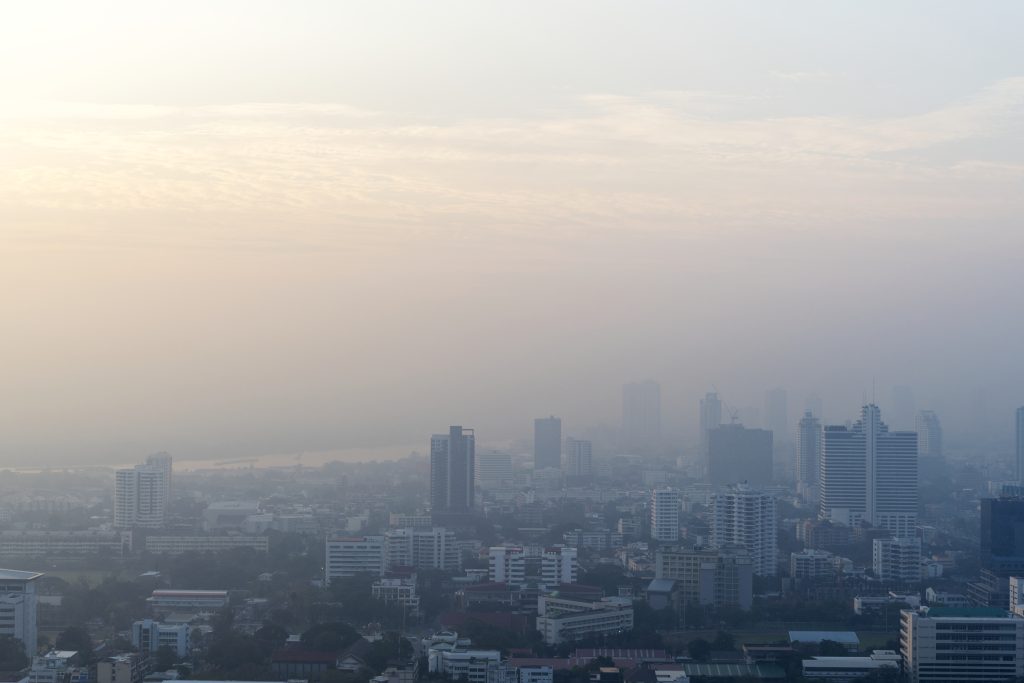
The Bill introduces comprehensive sector-specific measures to tackle air pollution from high-emitting sources. Covered sectors include the industrial, transportation, forestry, agricultural, urban, and transboundary sectors, the latter addressing emissions originating beyond national borders.
One example of such measures is the prohibition of open burning for harvesting and managing land, except in cases where exemptions apply (e.g. burning to control pest infestations). Another example is the Bill’s mandate that relevant government agencies design and implement strategies curb reliance on oil-based vehicles in urban areas, boost the adoption of low-emission vehicles, discourage private car use, and expand public transportation networks.

Incentives and penalties
The Bill imposes strict penalties for violations, alongside incentives to encourage pollution reduction activities. Penalties include civil, criminal, and regulatory fine related sanctions, depending on the nature of the violation. These are enforced against those that cause or contribute to air pollution, such as owners or occupiers of pollution sources, designers, supervisors of installation, or installers of systems or equipment related to air pollution control which are directly involved in causing air pollution. The Bill also holds financial institutions that provide loans, financial support, or advisory services to such polluters jointly liable, unless they can prove that they meet the legal conditions for exemption.
Although compliance with the Bill may increase business costs in the initial phases, if the market mechanisms outlined prove effective, they will help create incentives and business opportunities for operators in the long run. One mechanism includes the Clean Air Fund, which aims to support activities related to clean air management. Funding will come from various sources, including fees and revenues collected through economic tools and clean air measures outlined in the Bill, which include:
–Allocation, Trading and Transfer of Emission Rights in Pollution Control Zone: If the air pollution in an area exceeds the air quality standards or surpasses its air pollution carrying capacity, the Minister of Natural Resources and Environment has the authority to designate the area in question under the system for allocation, trading, and transfer of air pollutant emission rights. Under this system, owners or occupiers of pollution sources must hold sufficient rights to cover their actual emissions, report emissions data, and maintain relevant records and documentation.
–Deposit and Refund System: This mechanism temporarily collects deposits from manufacturers, business operators, distributors, or consumers of specified goods or products as a guarantee that these goods, products, or residual materials will not cause air pollution. The deposit will be refunded to those who return the goods, products, or residual materials for proper management.
Role of Local Administrative Organizations
Another key mechanism under the Bill is the decentralization of authority to local administrative organizations to manage air pollution. This includes the establishment of Provincial Clean Air Committees, which are vested with various powers to manage clean air within their respective province. Their responsibilities include monitoring, supervising, and regulating businesses and activities that cause or may cause air pollution; declaring air pollution surveillance zones and air pollution-affected zones when air quality fails to meet prescribed standards; and setting emission control standards for pollution sources within their jurisdiction or designated areas.
In summary, the Bill represents a significant legislative milestone for Thailand in improving air quality. To prepare for compliance, businesses should familiarize themselves with the Bill, which may include conducting due diligence within their operations to mitigate potential risks. Baker McKenzie offers expertise and support in identifying and managing such risks, with a dedicated sustainability team comprising of experienced lawyers and environmental engineers. We can provide guidance on effective risk management strategies from both legal and technical perspectives to help businesses achieve long-term sustainability.
Resource:
1https://www.who.int/news-room/fact-sheets/detail/ambient-(outdoor)-air-quality-and-health
Peerapan Tungsuwan, Head of Sustainability Group, Baker McKenzie Thailand
02 636 2000 ext. 2033
E-mail : peerapan.tungsuwan@bakermckenzie.com