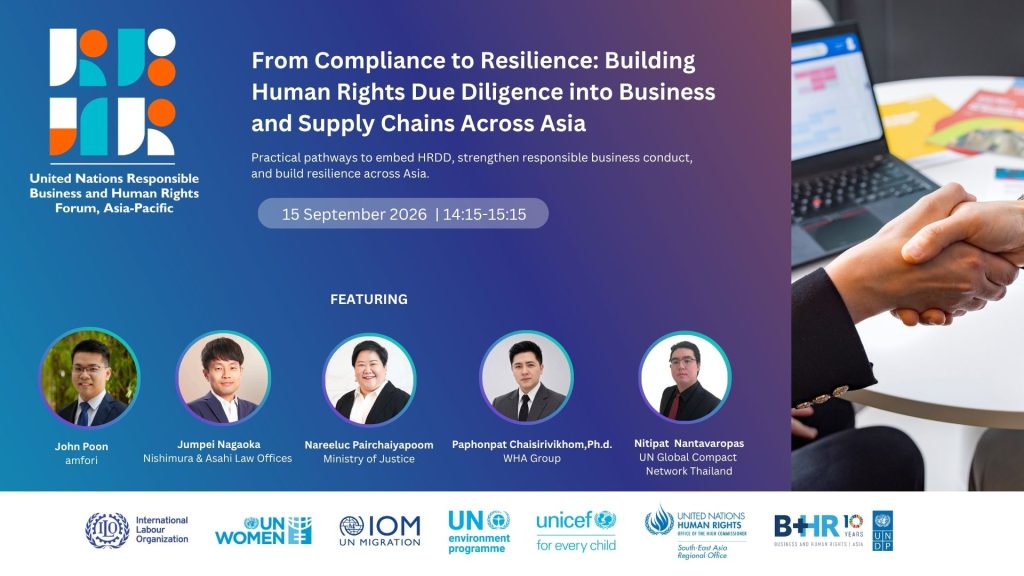
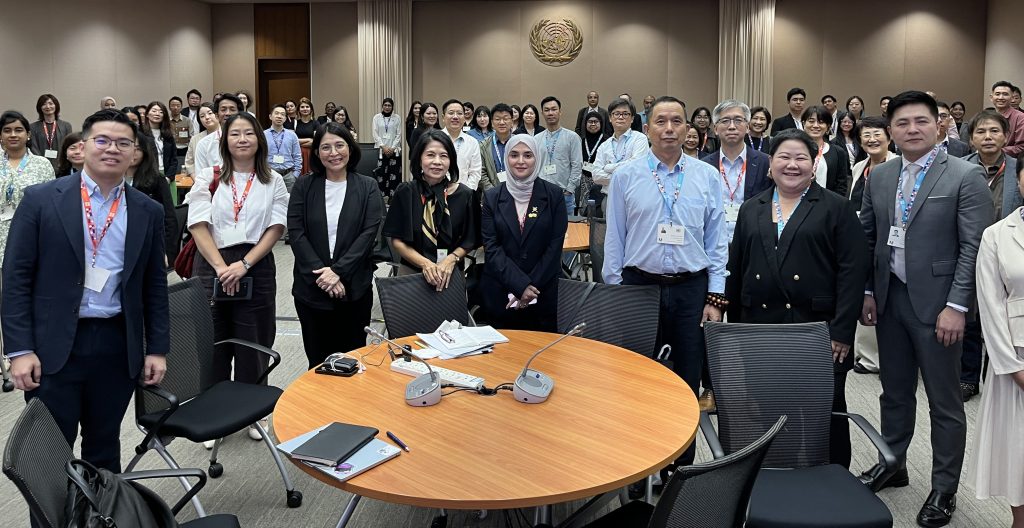
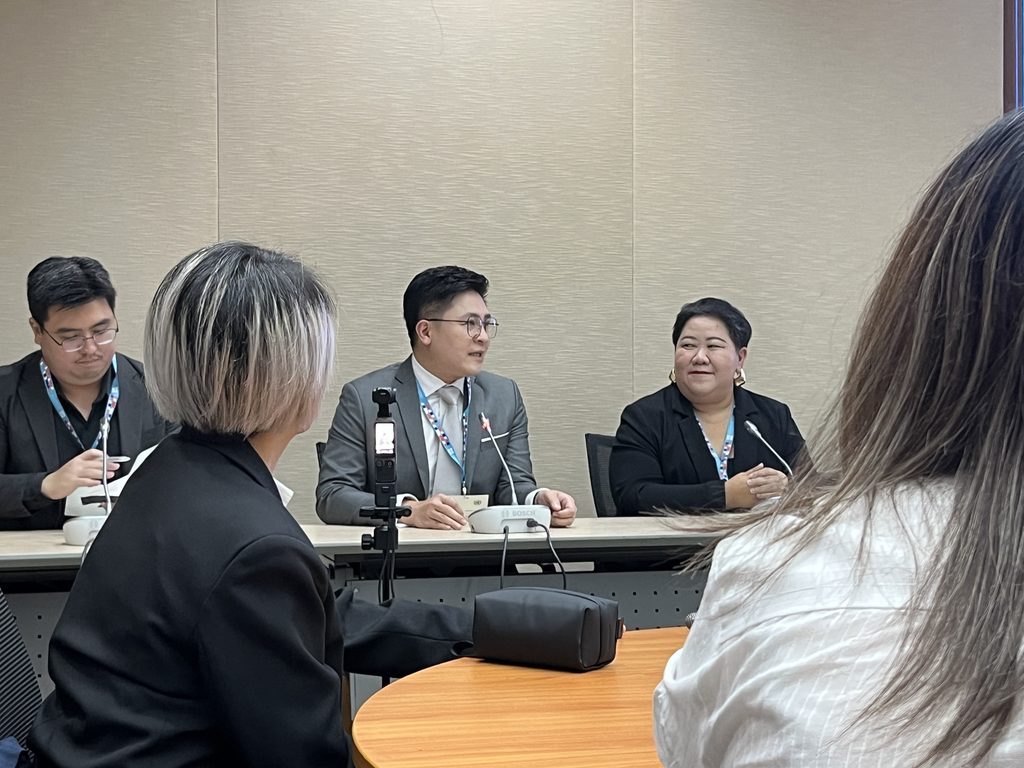
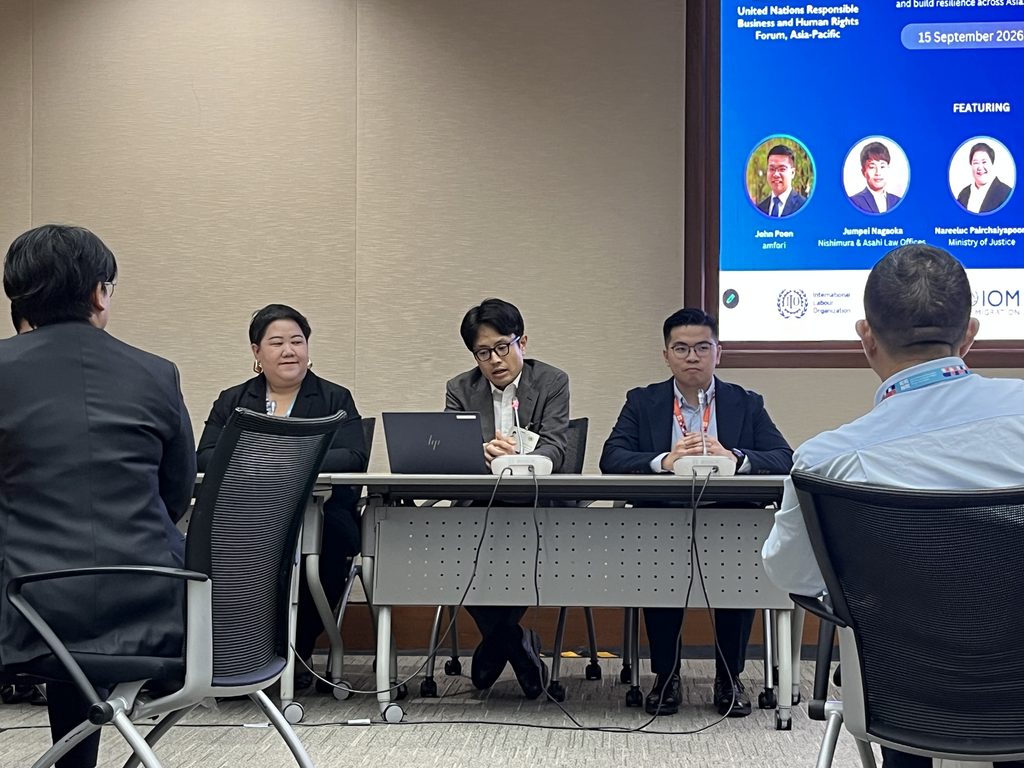
The debate surrounding corporate responsibility across Asia is rapidly shifting from voluntary commitments to legal mandates and strategic business imperatives. At a recent panel discussion titled “From Compliance to Resilience: Building Human Rights Due Diligence into Business and Supply Chains Across Asia,” experts gathered to explore how companies can navigate incoming regulations and embed Human Rights Due Diligence (HRDD) into their core operations across China, Thailand, and the broader ASEAN region. The session was held as a Side Event under the United Nations Responsible Business and Human Rights Forum, Asia-Pacific, held on 14–17 September 2026, and was co-organised by the UN Global Compact Network Thailand (GCNT) and amfori.
The panel featured key voices across government, legal, corporate, and civil society sectors:
- Nareeluc Pairchaiyapoom, Director of International Human Rights Division, Rights and Liberties Protection Department, Ministry of Justice (Thailand)
- John Poon, Advocacy & Engagement Advisor APAC, amfori
- Jumpei Nagaoka, Associate, Nishimura & Asahi Law Offices
- Paphonpat Chaisirivikhom, Ph.D., Director, Corporate Legal, WHA Group
- Moderated by Nitipat Nantavaropas, UN Global Compact Network Thailand
The Policy Shift: From Voluntary NAPs to Mandatory Regulation
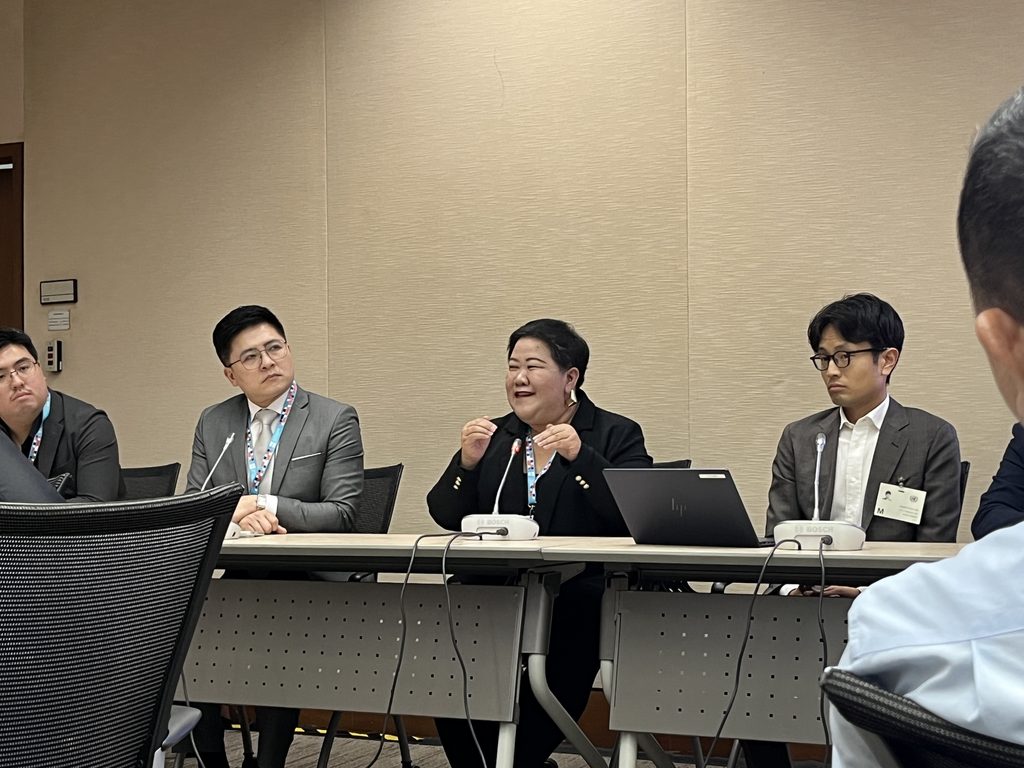
Setting the regulatory context, Nareeluc Pairchaiyapoom detailed Thailand’s trajectory as a pioneer in Asian human rights policy. Thailand was the first nation in the region to adopt a National Action Plan (NAP) on Business and Human Rights in 2019. However, implementation metrics revealed a critical limitation: voluntary measures primarily engaged large corporations while lacking engagement from other stakeholders in the ecosystem.
To create enforceable standards—and align with international movements like EU directives and OECD guidelines—Thailand is transitioning toward binding legislation. The Ministry of Justice plans to introduce mandatory due diligence rules by around 2028, pending political approval and public input. To shape the framework, the Ministry has consulted with key partners, including the EU Delegation, SET, ESG experts, and the UN Global Compact Network Thailand (GCNT).
Moreover, to support compliance, the government is introducing non-regulatory drivers, including national HRDD awards, tax incentives, and preferential status in government procurement for sustainable enterprises.
Overcoming the “Audit Mindset” and Peripheral Blind Spots
Addressing supply chain realities across ASEAN and China, John Poon and Jumpei Nagaoka emphasized that standard compliance tools are no longer sufficient.
Poon stated that today many organizations lack centralized ESG accountability, relying heavily on third-party audits. He also cautioned that audits must be treated as a single source of evidence rather than a standalone solution, advocating for routine mapping, training, and buyer-supplier capability building.
Meanwhile, Nagaoka highlighted the gap between nominal compliance and operational reality, warning against a minimal “check-the-box” audit mindset. He urged organizations to move past static supplier questionnaires and establish safe, accessible grievance channels. Meaningful engagement requires addressing the fear of retaliation—such as deportation or job loss—faced by vulnerable migrant workers and local communities when raising concerns.
HRDD as an Engine for Trust and Strategic Resilience
Reframing due diligence as a core business asset, Paphonpat Chaisirivikhom outlined how WHA Group integrates HRDD directly into site management and corporate operations.
Paphonpat noted that human rights due diligence is fundamentally about human communication and respect. When employees, local communities, and suppliers feel understood and treated fairly, companies build institutional trust.
The immediate business outcome of this approach is an effective early-warning system. By identifying friction, environmental concerns, or labor issues before they escalate, organizations gain the operational agility required to protect their supply chains from major disruptions.
The Path Forward: Systemic Collaboration
In closing, the panelists agreed that embedding HRDD across Asian supply chains requires moving away from top-down enforcement toward collaborative eco-systems. Transitioning from compliance to genuine resilience relies on four clear priorities:
- Legislative Clarity: Establishing clear definitions around high-risk issues (e.g., forced labor) and supply chain boundaries.
- Shared Responsibility: Avoiding the practice of passing compliance burdens down to smaller tier-2 and tier-3 suppliers without providing technical and financial support.
- On-Site Engagement: Replacing superficial paperwork with direct, safe interactions with peripheral and migrant workforce communities.
- Cultural Adaptation: Shifting internal management mindsets from passive compliance to proactive risk prevention.
Business Networking Event
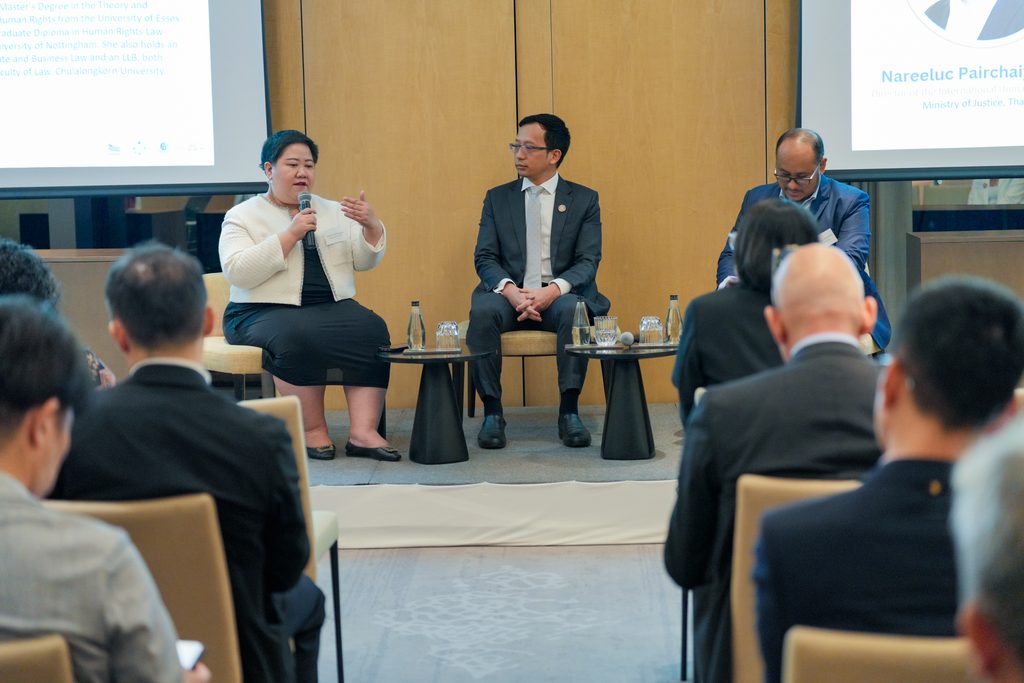
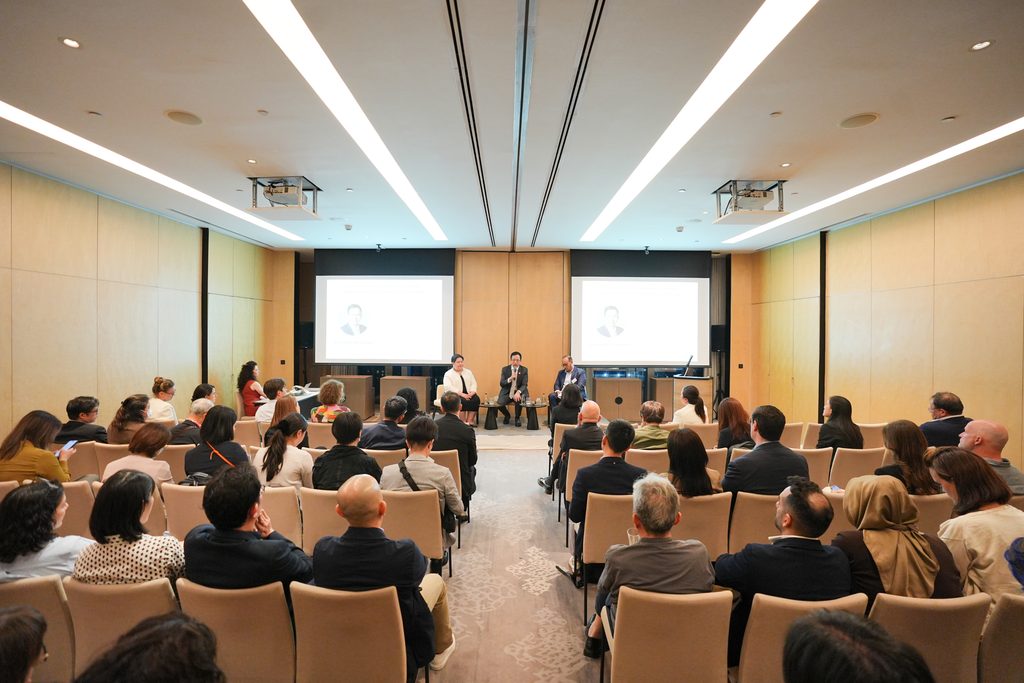
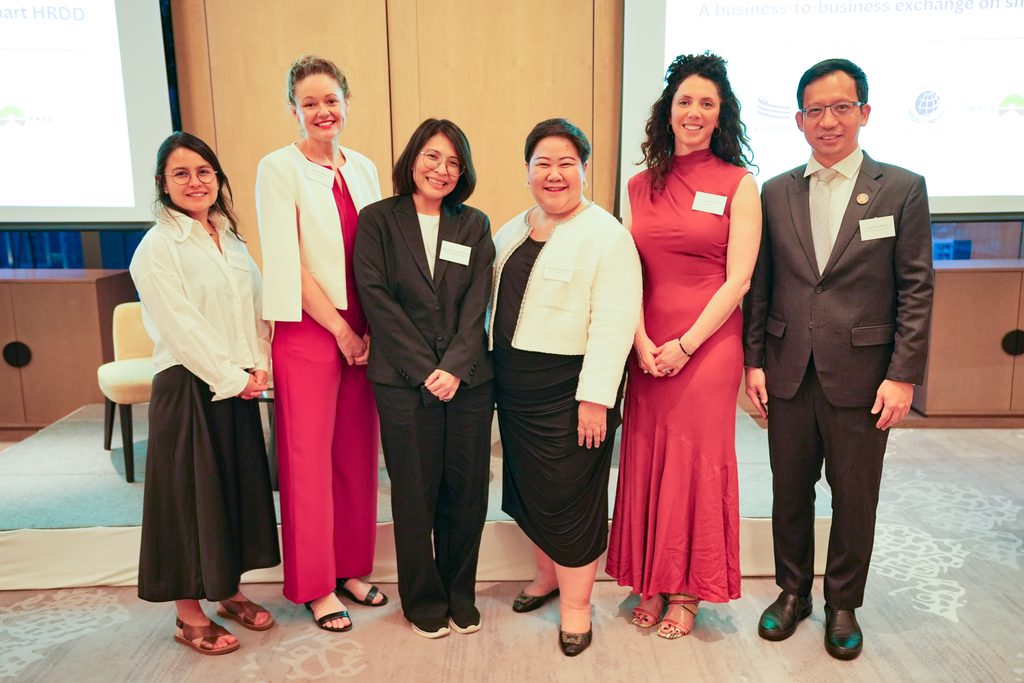
Moreover, GCNT together with Walk Free and partner organizations co-hosted the networking event “From Compliance to Competitive Advantage: A Business-to-Business Exchange on Smart Human Rights Due Diligence” where representatives from the government and private sector met to discuss the challenges of implementing HRDD, key lessons learnt, and the value of moving towards legislation reform.
GCNT sincerely thanks all participants and partners who joined the discussion and shared their perspectives. The exchange, though focused, reinforced an important message: building responsible and resilient supply chains requires continued dialogue, practical collaboration, and collective action. As Thailand and the region move towards stronger expectations on human rights due diligence, GCNT will continue to work with businesses, government, civil society, and partners to turn these discussions into practical action and support businesses in embedding human rights due diligence into their operations and value chains.